.svg)


.svg)

Project highlights
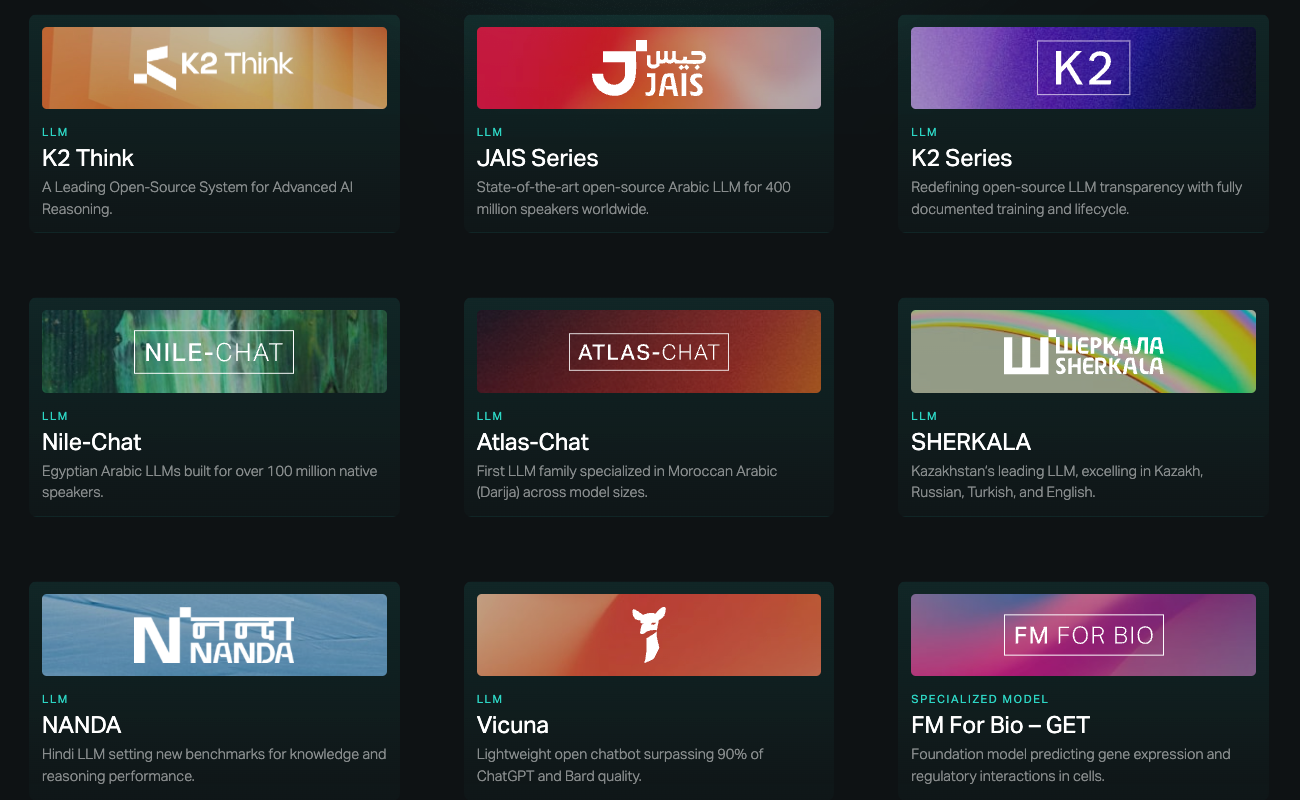
MBZUAI’s Institute of Foundation Models (IFM) is committed to developing open, efficient artificial intelligence (AI) foundation models, designed to tackle a wide range of real-world challenges. Among the many accessible offerings are models like K2 Think and Jais. Check out the IFM website for more information.

This project aims to archive, analyze, and utilize spoken Emirati data for cultural and technological projects.
One main aim is to collect large samples of spoken Emirati data from the ground up, covering various regions and age groups in the UAE. The collected data will be annotated and used for developing linguistic resources, documenting the richness of the spoken Emirati dialect and archiving it for future generations.
The project also aims to use the data to train large spoken language models that can be integrated with various AI technologies, such as virtual assistants, automatic translation, and digital accessibility.

The CyberAI project will advance the field of cybersecurity through the integration of AI focusing on Security of Modern Sustainable Cognitive Cities, Modern Sustainable Connected Buildings, Security of B5G Networks, and Security of Autonomous Mobility Systems. The project's aim is to develop innovative solutions that enhance the resilience and protection of smart cities' critical infrastructures against evolving cyber threats.
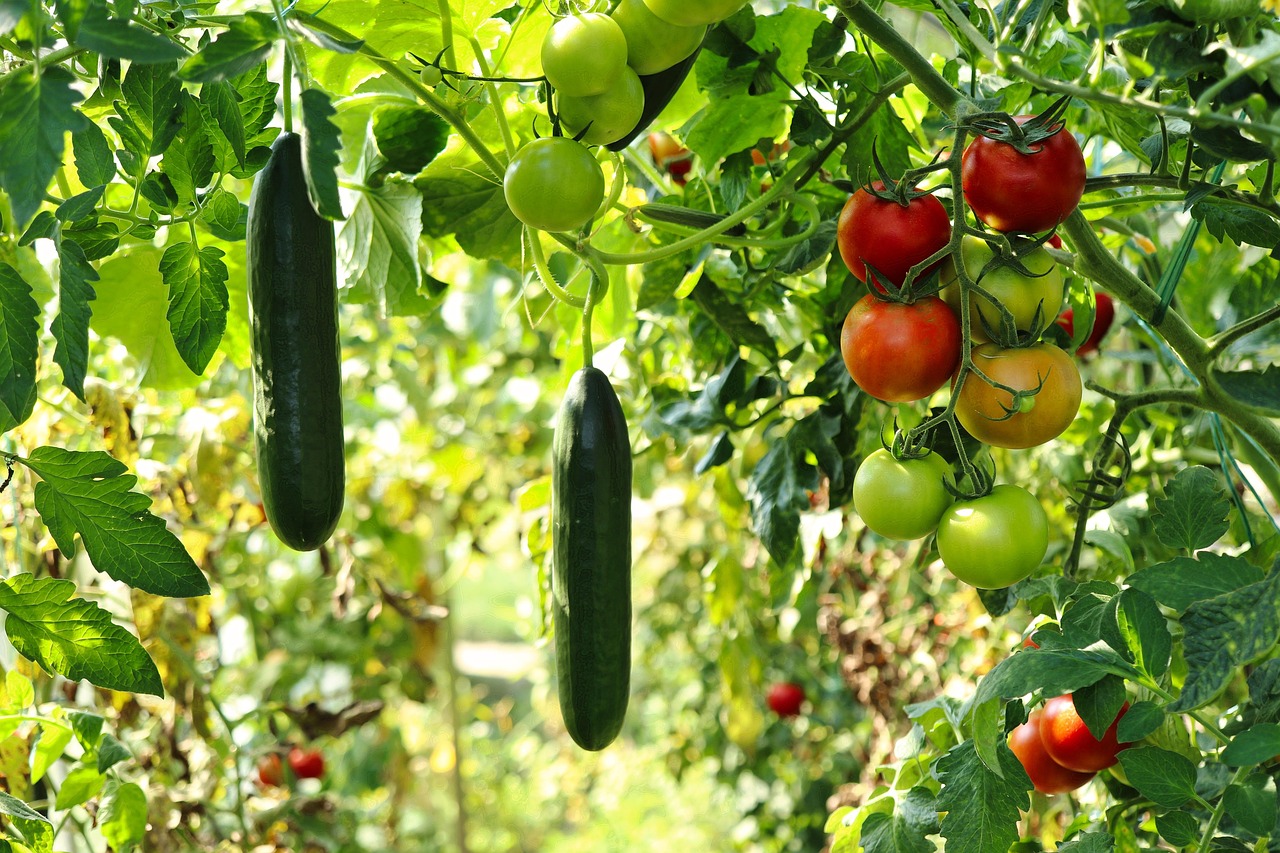
The AgroCast-GPT Project is a joint initiative between MBZUAI and Silal to harness AI for smart agriculture. The project develops a generative AI-powered platform that integrates greenhouse sensor data, crop imagery, and environmental parameters to deliver accurate yield forecasts for key UAE crops such as tomatoes and cucumbers.
By combining advanced machine learning with localized agricultural data, AgroCast-GPT provides actionable recommendations for farm management, resource optimization, and supply chain planning, helping improve productivity, reduce costs, and support the UAE’s food security and sustainability goals.
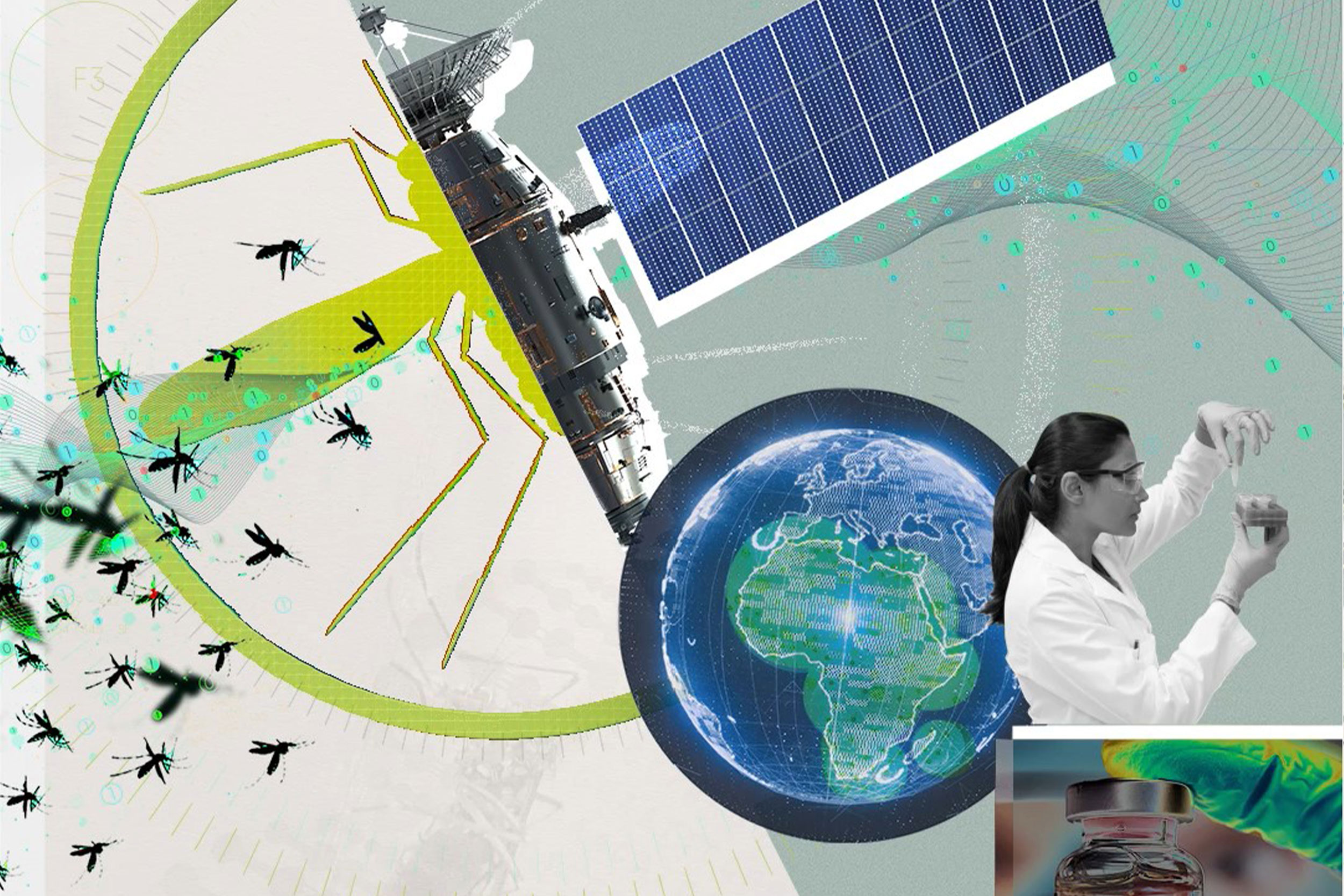
Climate change is already impacting human health and will continue to have a disproportionate effect on the world’s most vulnerable. The main objective of this project is to set-up a virtual center of excellence anchored in Abu Dhabi to advance the discipline of weather-informed malaria prediction and planning utilizing big data and AI. This will also involve the development of learning and risk models for climate-based risk stratification and the development of AI-powered models to process weather and human movement data to improve the prediction and forecasting of malaria outbreaks.

The Rain Enhancement Project focuses on advancing scientific understanding and operational capabilities for cloud seeding in the UAE.
The project develops machine learning and computer vision-based tools to diagnose the seedability of clouds—i.e., their potential to generate enhanced rainfall when seeded—using real-time satellite, radar, and meteorological data.
By combining high-fidelity cloud simulations, advanced remote sensing, and AI-driven predictive models, the project aims to identify and target the most promising clouds for seeding, thereby improving water security in arid regions. This collaborative effort brings together leading international experts in atmospheric science, remote sensing, and artificial intelligence.

This study aims to investigate and develop solutions that could help make fetal healthcare more affordable, accessible and sustainable using Artificial Intelligence (AI) and Point of Care Ultrasound (PoCUS). The project will result in the development of innovative solutions to make the assessment of fetal health more affordable, accessible and sustainable using AI and PoCUS scanners.

This project aims to scale cost-effective innovations to improve the livelihoods of farmers in low- and middle-income countries by generating and disseminating high-quality weather forecasts to meet the needs of hundreds of millions of farmers globally. Outcomes of this project will revolutionize decision-making on the ground, boosting climate resilience and advancing sustainable agriculture.
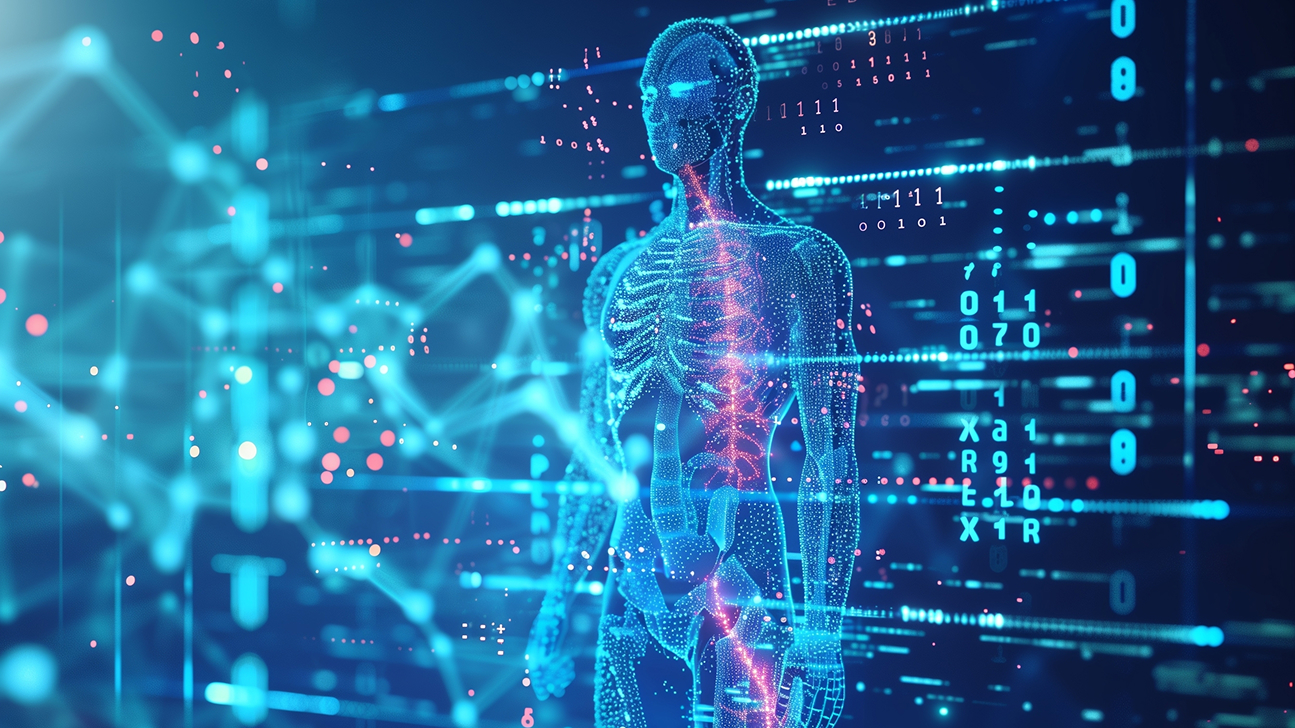
The main goal of this project is to recruit 10,000 healthy individuals, deeply phenotype them, and follow them for several years, creating a large-scale prospective longitudinal cohort and biobank. The phenotyped data will be used to research and develop prediction models for disease onset and progression and identification of novel molecular markers with a diagnostic, prognostic and therapeutic value.
Publications:
Deep phenotyping of health–disease continuum in the Human Phenotype Project. Nat Med (2025). https://doi.org/10.1038/s41591-025-03790-9
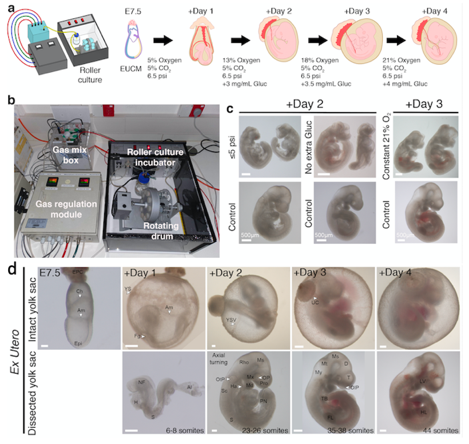
This research is aimed at developing a system which allows us to continuously and robustly capture the developing mouse embryo during two-thirds of pregnancy. Using light-sheet microscopy, combined with reporter proteins, lineage-tracing techniques, and advanced AI movement-tracking algorithms, this study plans to take the longest time-lapse live imaging of a growing mammalian embryo ever taken. With this system, researchers aim to tackle basic questions of germ-layer development and characterize knockout of key developmental genes.
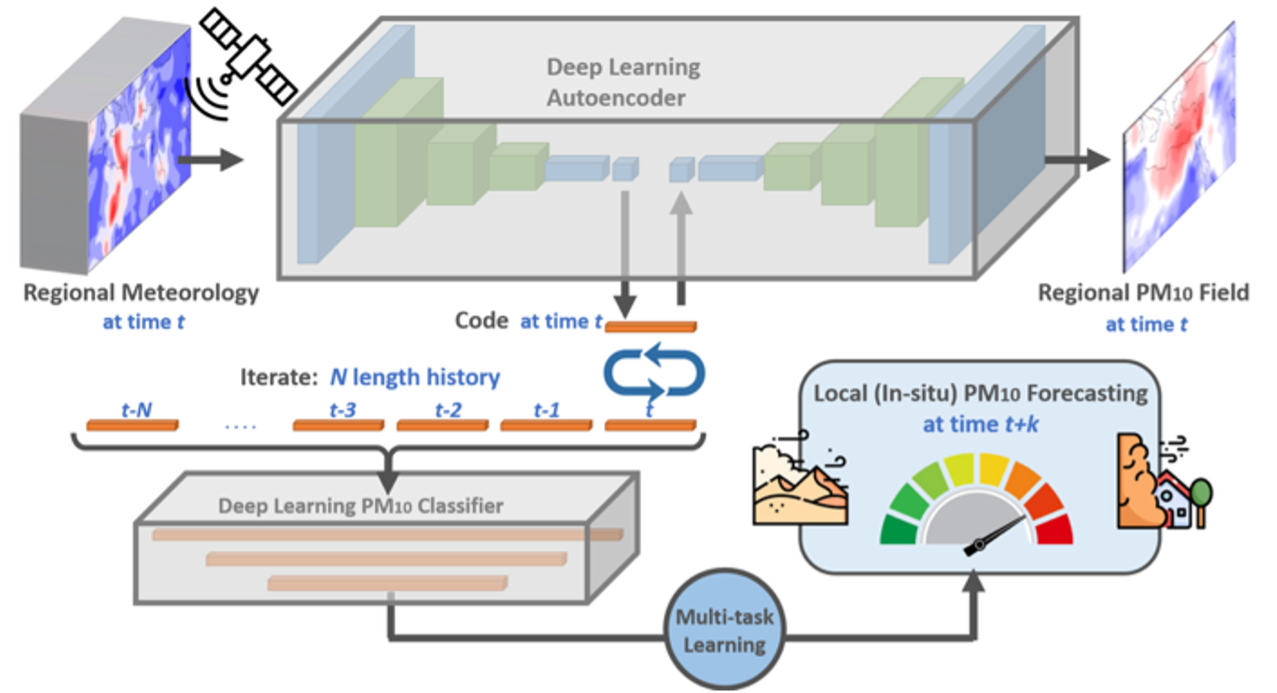
Early forecasting of extreme weather events is crucial for averting harmful global climate change effects, especially in the Eastern Mediterranean and Middle East (EMME region), one of the most vulnerable regions due to climatic changes.
Current weather forecasting methods are relatively slow, less adaptive to newly emerging observed signals, and limited in leveraging vast amounts of heterogeneous climate data.
This project seeks to design novel meteorology-driven AI models for extreme event forecasting that are specifically adapted to these challenges, focusing on EMME's most disturbing climatic concerns.

The MBZUAI Metaverse is building the next generation of immersive online user experiences, digital content generation and spatial computing technologies. It is currently developing open and AI-driven metaverse technologies to enhance people with accessible and meaningful digital content for improved capabilities and lifelong learning.
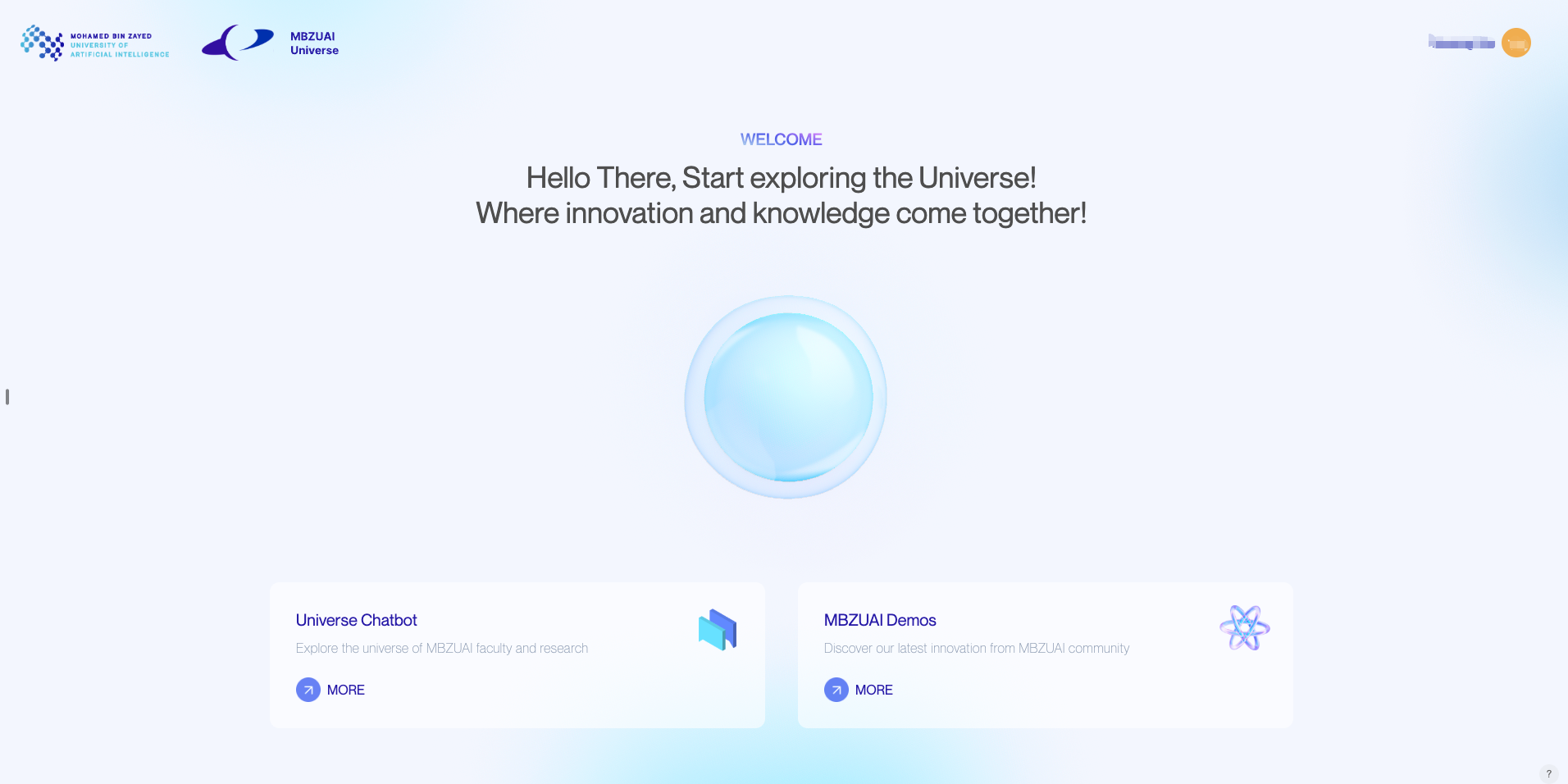
MBZUAI Universe is your AI-powered assistant designed to simplify access to MBZUAI’s academic and research expertise. This intelligent chatbot helps you explore faculty research, innovation projects, industry collaborations, and more — instantly.

A comprehensive suite of solutions built on Kubernetes architecture and aligned with industry best practices. It addresses key areas of the end-to-end lifecycle of AI from development, production to operation stages.
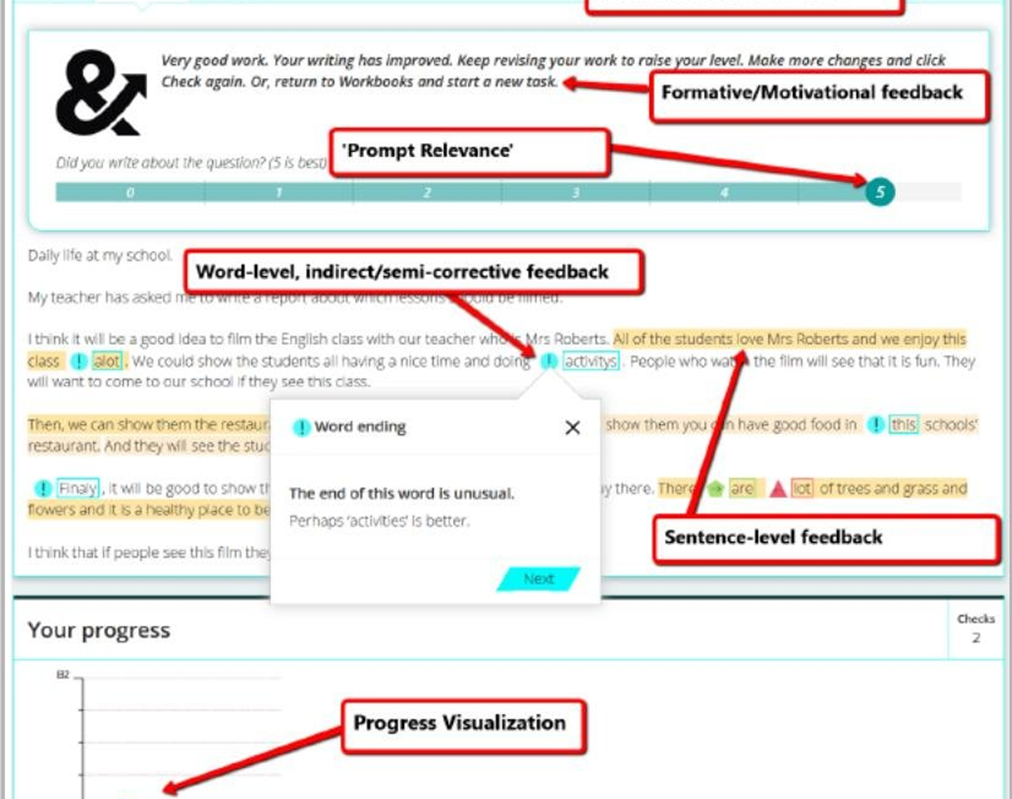
Build and demonstrate the first and best dialectic Arabic LLM with region-relevant Multilingual QA and Writing Assistant applications.
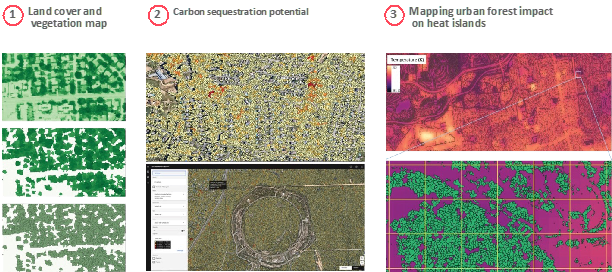
Build AI-enabled Urban Heat Island detection and mitigation technology of highest relevance to the region around COP activity.
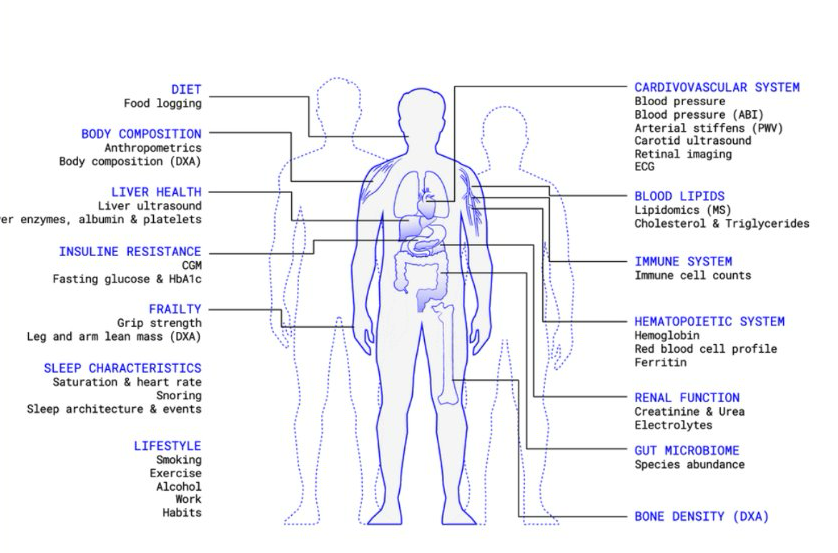
The HPP combines innovative medical tests and advanced artificial intelligence to identify your unique health status. Using this information expert scientists at MBZUAI will be able to predict future medical conditions, even before they break out.
Discover Our Programs

.svg)
%20(1).jpg)
.png)